
A durable roofing system serves as a critical component in enhancing home security, comparable to the protective measures found in high-end computers. Both rely on advanced materials and technologies to guard against external threats. A well-constructed roof not only shields the home from environmental elements but also deters unauthorized access. Understanding the parallels between these two systems reveals significant insights into how homeowners can invest in safety and efficiency. What specific features contribute to this robust security?
Key Takeaways
- A durable roofing system acts as a physical barrier, preventing unauthorized access similar to the protective features of high-end computers.
- Advanced materials used in roofing enhance resistance to weather damage, just as high-end computers utilize technology for longevity and reliability.
- Proper insulation and ventilation in roofing systems prevent moisture buildup, mirroring how high-end computers manage heat for optimal performance.
- Fire-resistant materials in roofing enhance safety, akin to security features in high-end computers that protect data integrity.
- Investing in a durable roofing system improves overall home security, paralleling the investment value seen in high-end computing technology.
Understanding What a Roofing System Is and Its Importance
A roofing system serves as the first line of defense for any home, playing a critical role in both structural integrity and security. Understanding what is a roofing system involves recognizing its various components, including shingles, underlayment, flashing, and ventilation systems. Each element works synergistically to protect the home from environmental factors such as rain, wind, and snow. A robust roofing system not only prevents leaks and structural damage but also enhances energy efficiency, contributing to lower utility bills. Homeowners seeking a sense of belonging in their community should prioritize investing in a durable roofing system. By ensuring safety and comfort, they affirm their commitment to maintaining a secure and welcoming home environment for family and friends.
The Role of a Roofing System in Home Security
Home security extends beyond locks and alarms; it fundamentally begins with the roofing system. A robust roofing system serves multiple roles in enhancing a home’s security.
- Physical Barrier: A durable roof prevents unauthorized access, acting as the first line of defense against intruders.
- Weather Resistance: Quality roofing protects against elements such as storms and heavy snowfall, ensuring structural integrity and reducing vulnerabilities.
- Fire Safety: Certain roofing materials provide fire resistance, minimizing the risk of damage and enhancing overall protection for occupants.
Investing in a high-quality roofing system is not just a matter of aesthetics; it is a strategic move that fosters a sense of belonging and safety within the home, reinforcing the idea that security starts from the top down.
Comparing Durable Roofing Systems to High-End Computers
Frequently, the comparison between durable roofing systems and high-end computers reveals striking parallels in their importance and functionality. Both serve as critical protective layers, safeguarding valuable assets from environmental threats. A durable roofing system, much like a high-end computer, utilizes advanced materials and technology to guarantee longevity and resilience. This sophistication not only enhances security but also promotes energy efficiency, paralleling the energy-saving features of premium computing devices. Just as users invest in high-end computers to enhance performance and reliability, homeowners should prioritize a robust roofing system for top-tier protection and peace of mind. Ultimately, understanding what is a roofing system can empower homeowners to make informed choices that reinforce their security and investment.
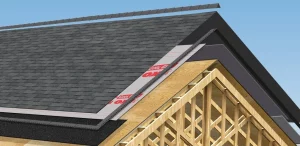
Key Features of a Secure and Durable Roofing System
Numerous key features define a secure and durable roofing system, each contributing to its overall effectiveness in protecting a property. Understanding these features helps homeowners make informed decisions that enhance both security and longevity.
- Material Quality: High-grade materials, such as metal or asphalt shingles, resist weather damage and pests, ensuring long-term durability.
- Structural Integrity: A well-constructed roofing system includes proper ventilation and insulation, preventing moisture buildup and structural weaknesses.
- Enhanced Resistance: Features like impact resistance and fireproofing safeguard against external threats, making the roofing system a formidable barrier.
Enhancing Home Security Through Effective Roofing Solutions
A robust roofing system plays a pivotal role in enhancing overall home security, acting as the first line of defense against various threats. Effective roofing solutions, designed with durable materials, offer superior resistance to environmental factors such as wind, rain, and hail, which can compromise structural integrity. Additionally, advanced roofing systems can deter unauthorized access; features like reinforced shingles and secure flashing prevent intruders from exploiting vulnerabilities in traditional roofs. Moreover, modern roofing technologies can integrate surveillance systems, enhancing monitoring capabilities and providing homeowners with peace of mind. Ultimately, investing in a high-quality roofing system is not merely a choice for aesthetics but a critical measure in safeguarding a home, ensuring that it remains a secure haven for its inhabitants.
Frequently Asked Questions
How Often Should I Inspect My Roofing System for Security?
Inspecting a roofing system for security is recommended at least twice a year, ideally in spring and fall, to identify potential vulnerabilities. Regular inspections guarantee the system remains robust and effectively protects the home and its inhabitants.
What Materials Are Best for a Durable Roofing System?
Metal, asphalt shingles, and slate are considered the best materials for a durable roofing system. These options provide exceptional longevity, weather resistance, and structural integrity, ensuring homes remain safe and secure against environmental threats.
Can a Roofing System Affect Home Insurance Rates?
A roofing system can considerably influence home insurance rates. Insurers often provide discounts for durable roofing materials, as they enhance structural integrity and reduce risk, ultimately fostering a sense of security for homeowners and their investments.
How Long Does a Typical Roofing System Last?
A typical roofing system lasts between 15 to 30 years, depending on materials and maintenance. Investing in high-quality options can enhance longevity, ultimately providing better protection and security for homeowners, fostering a sense of belonging and safety.
What Are the Signs of a Failing Roofing System?
Signs of a failing roofing system include missing or damaged shingles, leaks, sagging areas, granule loss, and visible water stains on ceilings. Timely assessments can prevent further damage and guarantee long-term structural integrity and safety.
Conclusion
To summarize, a durable roofing system serves as a crucial component of home security, paralleling the protective measures of a high-end computer. By employing advanced materials and innovative designs, homeowners can greatly enhance their property’s resilience against environmental threats and unauthorized access. Investing in a robust roofing solution not only fortifies the structure but also contributes to energy efficiency, ultimately creating a safer and more comfortable living environment. Prioritizing this aspect of home security is both prudent and essential.
You May Also Like to Read: